
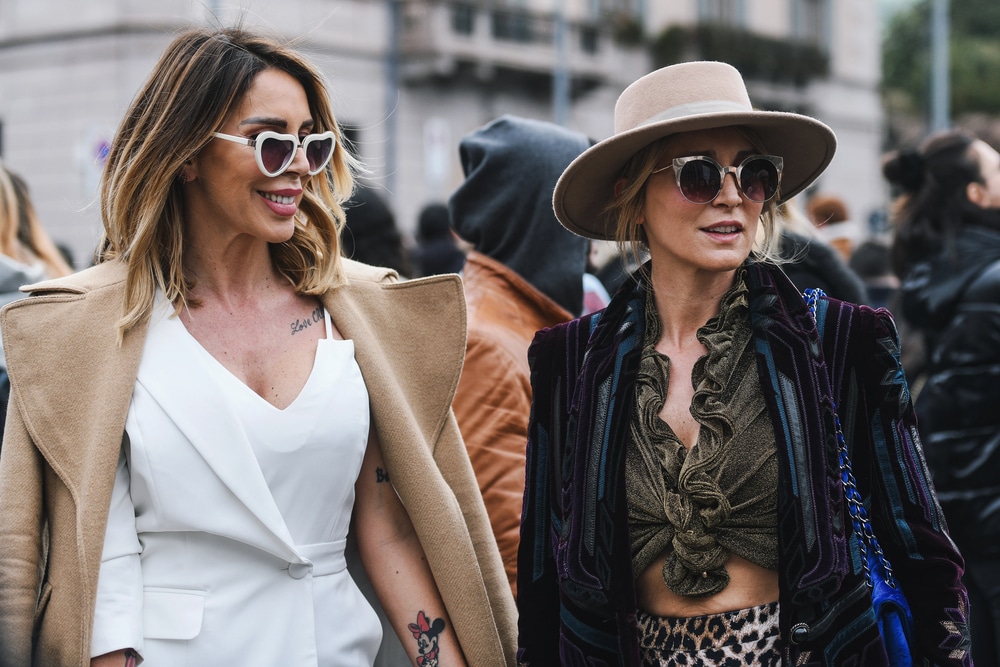
Personal style is more than the clothes hanging in a wardrobe. It reflects personality, confidence, experiences, and changing priorities. Unlike fashion trends that come and go, personal style develops gradually over time. Every stage of life introduces new responsibilities, environments, and perspectives, all of which influence how people choose to present themselves. From youthful experimentation to refined simplicity, style continues to evolve without losing individuality.
Understanding this journey helps people embrace change rather than chase temporary trends. Instead of feeling pressured to dress a certain way, it becomes easier to build a wardrobe that feels authentic and practical for each phase of life.
Early Years Are About Exploration
The earliest stage of personal style is often driven by curiosity. Teenagers and young adults enjoy experimenting with colors, patterns, accessories, and different fashion influences. Social media, celebrities, and friends often shape these choices, making this period one of discovery rather than consistency.
Many people try multiple aesthetics before finding what truly suits their personality. The process of experimenting is valuable because it teaches what feels comfortable and what aligns with personal preferences. Just as people explore different interests online through resources such as www.digishakti.info, style also develops through learning, observation, and experience.
Career Brings Practical Choices
As professional responsibilities grow, clothing choices become more intentional. A person’s wardrobe begins to balance appearance with functionality. Comfort remains important, but professionalism often takes priority in workplaces where first impressions matter.
Rather than buying every trending item, many individuals start investing in timeless essentials that can be worn in multiple situations. Neutral colors, quality fabrics, and versatile pieces become valuable because they offer flexibility for both work and personal life. This shift demonstrates that style becomes less about following trends and more about expressing confidence through thoughtful choices.
Personal Milestones Influence Fashion Preferences
Life events such as higher education, marriage, parenthood, travel, or relocation naturally influence clothing preferences. Each milestone introduces different routines, requiring wardrobes to adapt accordingly. Someone who once preferred bold statement pieces may later appreciate minimalist outfits that simplify everyday decisions.
Change does not mean losing individuality. Instead, it allows personal style to mature alongside life experiences. Just as digital platforms such as kaverionline.net simplify access to important information, a well developed wardrobe simplifies daily decision making by providing reliable, comfortable clothing options.
Confidence Becomes the Greatest Fashion Statement
One of the biggest transformations happens when people stop dressing primarily for approval from others. Confidence gradually replaces comparison. Instead of asking what is fashionable, they begin asking what genuinely feels right.
This mindset encourages smarter shopping decisions and reduces unnecessary purchases. High quality basics, well fitting garments, and meaningful accessories often replace impulse buying. Those who appreciate thoughtful decisions in everyday activities, whether they Visit Mahabhulekh for official records or organize personal tasks efficiently, often apply the same practical thinking to their wardrobes.
Lifestyle Shapes Everyday Style
Daily routines significantly influence clothing preferences. Someone working remotely may prioritize comfort, while frequent travelers may prefer wrinkle resistant and versatile outfits. Parents often choose clothing that balances mobility with style, while retirees may focus on comfort without compromising elegance.
Personal style is therefore closely connected to lifestyle rather than age alone. The same individual may dress differently for work, vacations, family gatherings, or creative hobbies while maintaining a consistent sense of identity.
Technology has also made it easier to discover inspiration from around the world. Whether someone is exploring fashion communities or using services like banglarbhumi app login for unrelated administrative needs, digital platforms have become an everyday part of modern life, encouraging convenience across many activities.
Quality Gradually Replaces Quantity
Another noticeable shift occurs when people recognize the value of buying fewer but better items. Durable fabrics, timeless designs, and proper tailoring often provide greater satisfaction than constantly replacing inexpensive clothing.
This approach benefits both personal budgets and the environment. Building a wardrobe around versatile essentials reduces waste while making outfit selection easier. Over time, personal style becomes more consistent because every item serves a meaningful purpose instead of simply following seasonal trends.
Those interested in refining their wardrobes can learn more by studying fabric quality, understanding body proportions, and identifying colors that complement their natural features. Small improvements often have a greater impact than constantly purchasing new fashion trends.
Conclusion
Personal style is never fixed. It evolves naturally with age, experiences, responsibilities, and personal growth. Every stage of life contributes something valuable, from youthful creativity to mature confidence. The most stylish individuals are not necessarily those with the largest wardrobes but those who understand themselves well enough to dress with authenticity.
Rather than chasing every trend, embracing gradual change creates a wardrobe that reflects both personality and purpose. As life continues to evolve, personal style becomes an ongoing expression of confidence, comfort, and individuality.