
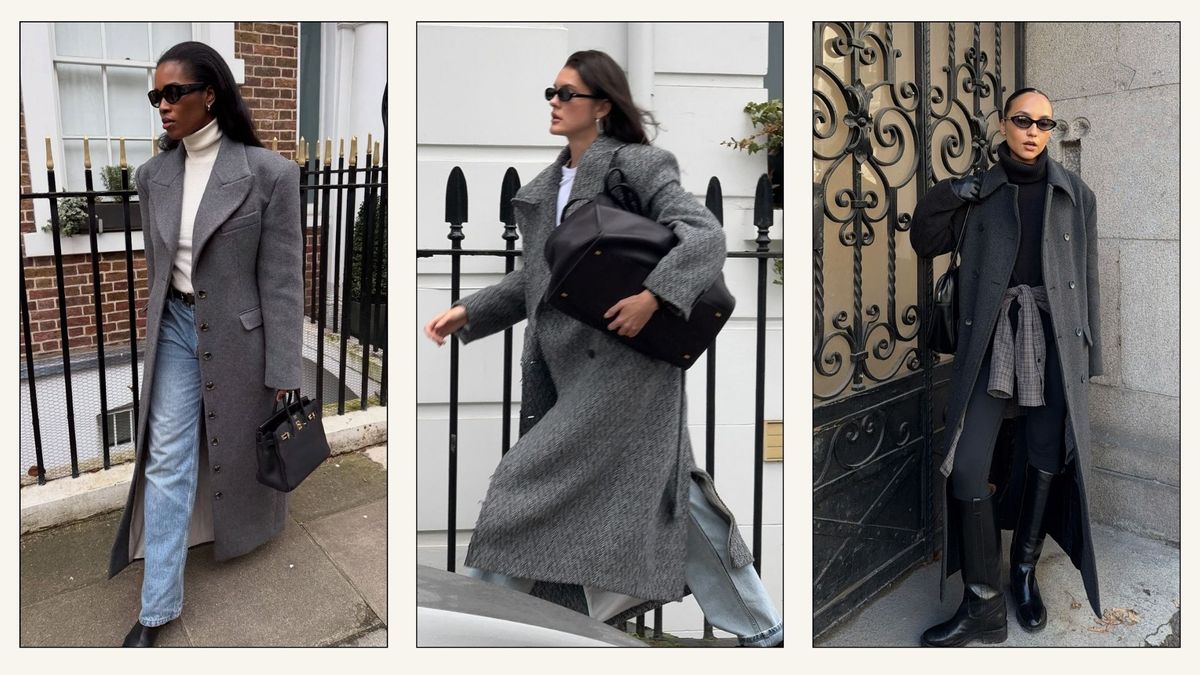
Fashion has always been a reflection of society, culture, and personal identity. For many years, trends largely dictated what people wore, with designers, celebrities, and fashion houses influencing consumer choices. While trends still play an important role, modern fashion is increasingly shifting toward individual expression. People are no longer interested in simply following what everyone else is wearing. Instead, they are using clothing, accessories, and personal styling choices to communicate who they are and what they value.
This transformation has reshaped the fashion industry, encouraging creativity, inclusivity, and personalization. As consumers seek authenticity, fashion has become more focused on helping individuals express their unique identities rather than conforming to a single standard.
The Shift Away From Traditional Fashion Rules
Traditional fashion often emphasized strict rules regarding colors, styles, and combinations. Consumers were encouraged to follow seasonal trends and adopt looks that reflected current industry standards.
Today, these rules carry less influence. Individuals are increasingly comfortable mixing styles, experimenting with different aesthetics, and creating wardrobes that reflect their personal preferences rather than popular expectations.
This shift reflects a broader cultural movement toward individuality. People want the freedom to make choices that align with their personalities, lifestyles, and values rather than feeling pressured to follow predetermined fashion norms.
Social Media Encourages Personal Style
Social media has played a major role in promoting individual expression through fashion. Platforms allow people to share their unique looks with audiences around the world, creating opportunities for inspiration that extend beyond traditional fashion magazines and runway shows.
Instead of relying solely on major fashion brands, consumers can discover ideas from influencers, creators, and everyday individuals who showcase a wide range of styles. This diversity encourages experimentation and helps people develop a stronger sense of personal style.
The rise of digital platforms has influenced many industries, including those featured in discussions about Australian business news for entrepreneurs, where personal branding and authenticity are increasingly recognized as valuable assets.
Fashion As A Form Of Identity
Clothing has become a powerful way for individuals to communicate aspects of their identity. Fashion choices often reflect interests, values, cultural backgrounds, professions, and personal experiences.
Some people use fashion to showcase creativity, while others prioritize comfort, sustainability, or functionality. Because fashion is visible and accessible, it serves as an immediate form of self expression.
This focus on identity has encouraged brands to offer a wider variety of styles, sizes, and customization options. Consumers are looking for products that feel personal and meaningful rather than generic and mass produced.
The Rise Of Customization
Customization has become one of the strongest trends supporting individual expression. Consumers increasingly seek products that can be personalized to match their preferences.
Custom clothing, made to order designs, personalized accessories, and unique styling options allow individuals to create looks that stand apart from mainstream fashion. This desire for uniqueness reflects a growing appreciation for personal creativity.
Businesses across multiple industries have embraced customization as a way to meet evolving consumer expectations. Similar trends can be observed in marketing strategies such as guest posting Australia, where personalized content often performs better because it resonates more strongly with specific audiences.
Diversity And Inclusivity In Fashion
Modern fashion is becoming more inclusive, recognizing that people come from diverse backgrounds and have different needs, preferences, and body types.
This inclusivity has expanded the range of available styles and encouraged greater representation throughout the industry. Consumers are no longer expected to fit a single fashion ideal. Instead, brands are increasingly focused on serving a broader audience.
As a result, individuals feel more empowered to embrace styles that reflect their authentic selves. Fashion has become less about fitting in and more about celebrating uniqueness.
Sustainability Supports Thoughtful Fashion Choices
Another reason fashion is becoming more focused on individual expression is the growing interest in sustainability. Consumers are paying closer attention to the origins of their clothing, production methods, and long term value.
Rather than purchasing large quantities of trend driven items, many people are investing in carefully selected pieces that align with their personal style and values. This approach encourages thoughtful wardrobe building and reduces dependence on constantly changing trends.
The emphasis on quality over quantity allows individuals to create wardrobes that genuinely reflect their identities rather than simply following seasonal fashion cycles.
Technology Expands Creative Possibilities
Technology has made it easier than ever for consumers to explore new styles and personalize their fashion choices. Online shopping platforms, virtual fitting tools, and digital fashion communities provide access to a wider range of options than traditional retail environments.
Consumers can research brands, compare products, and discover niche designers from around the world. Resources similar to an Australia business directory demonstrate how digital platforms help people find specialized products and services that align with their interests.
This expanded access supports greater creativity and allows individuals to build wardrobes that are truly unique.
Fashion And Lifestyle Are Becoming More Connected
Modern consumers often choose clothing that supports their lifestyles rather than simply following trends. People want versatile pieces that fit their daily routines, professional responsibilities, hobbies, and social activities.
For example, someone interested in travel, fitness, or outdoor recreation may prioritize practical clothing that complements those interests. Likewise, individuals exploring local experiences and activities, such as researching things to do in Adelaide, often seek outfits that match their lifestyles and personal preferences.
This connection between fashion and lifestyle strengthens the role of clothing as a form of self expression.
The Influence Of Independent Voices
Independent creators, designers, and content publishers have contributed significantly to the rise of individual expression in fashion. Platforms such as kakupress.com and other digital publications provide opportunities for diverse perspectives and emerging voices to reach broader audiences.
These independent influences encourage consumers to think beyond mainstream fashion trends and explore styles that feel more authentic. The result is a fashion landscape that celebrates creativity, diversity, and individuality.
Fashion is becoming more focused on individual expression because consumers increasingly value authenticity, creativity, and personal identity. Rather than following strict fashion rules or relying solely on trends, people are using clothing as a way to communicate who they are and what matters to them. Social media, customization, inclusivity, sustainability, and technological innovation have all contributed to this transformation. As fashion continues to evolve, personal expression is likely to remain at the center of consumer choices. Ultimately, modern fashion is no longer just about what people wear. It is about telling a story, expressing individuality, and creating a style that feels uniquely personal.