
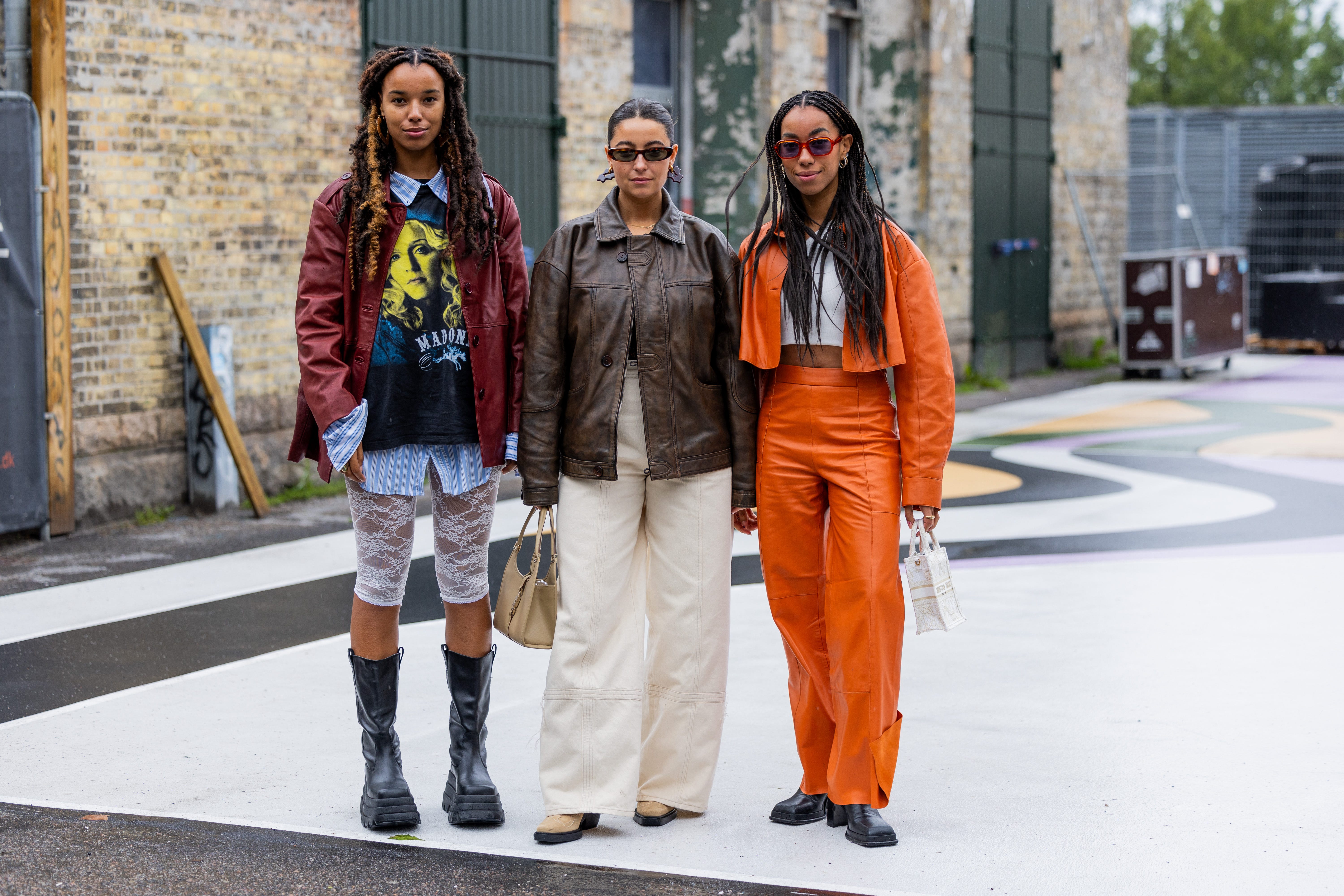
Fashion trends come and go, often changing from season to season. New colors, silhouettes, fabrics, and accessories regularly dominate runways, magazines, and social media feeds. While trends can be exciting and inspiring, they do not always reflect an individual’s personality, lifestyle, or preferences. This is why personal style often holds greater value than simply following what is currently popular.
Personal style represents authenticity. It allows individuals to express themselves through Clothing choices that align with their identity rather than temporary fashion movements. While trends may influence wardrobes, personal style provides consistency, confidence, and individuality that remain relevant regardless of changing fashions.
Understanding The Difference Between Style And Trends
Trends are temporary movements within the fashion industry. They often gain popularity quickly and may disappear just as fast. Personal style, on the other hand, develops over time and reflects an individual’s preferences, experiences, and personality.
People with a strong sense of style do not necessarily ignore trends. Instead, they selectively incorporate elements that complement their existing wardrobes. This approach creates a more authentic and sustainable relationship with fashion.
Rather than constantly changing appearances to match every new trend, individuals with defined personal styles focus on what works best for them.
Personal Style Builds Confidence
One of the greatest benefits of developing personal style is increased confidence. Clothing that reflects individual preferences often feels more comfortable and natural than outfits chosen solely because they are fashionable.
Confidence comes from feeling authentic. When people wear clothing that aligns with their personality, they often feel more comfortable in social, professional, and personal settings.
Fashion should support self expression rather than create pressure to conform. Personal style allows individuals to present themselves in a way that feels genuine and comfortable.
Trends Do Not Suit Everyone
Fashion trends are designed for broad audiences, but individuals have unique body types, lifestyles, and preferences. What works well for one person may not work as effectively for another.
Following trends without considering personal needs can result in wardrobes filled with items that are rarely worn. Personal style encourages thoughtful choices that prioritize comfort, functionality, and self expression.
This approach often leads to better purchasing decisions and a wardrobe that remains useful long after specific trends have faded.
The Influence Of Popular Culture
Popular culture plays a major role in shaping fashion trends. Celebrities, influencers, and entertainment media frequently introduce new styles that gain widespread attention.
Many people follow updates related to celebrity news Australia and observe how public figures influence fashion preferences. While celebrity fashion can provide inspiration, personal style allows individuals to adapt ideas in ways that suit their own identities rather than simply copying someone else’s look.
Inspiration is valuable, but authenticity remains more important than imitation.
Personal Style Creates Consistency
A well developed personal style provides consistency across different situations and stages of life. Rather than rebuilding a wardrobe every season, individuals can focus on pieces that align with their long term preferences.
Consistency also helps simplify decision making. People who understand their style tend to make purchases more confidently because they know what complements their existing wardrobe and lifestyle.
This creates a more cohesive appearance and often reduces unnecessary spending on items that may quickly lose appeal.
Fashion And Professional Identity
Clothing plays an important role in professional environments. Personal style can contribute to a strong and memorable personal brand while maintaining professionalism.
Entrepreneurs and professionals involved in online business Australia often recognize the importance of presenting themselves confidently and authentically. Personal style supports this goal by helping individuals create a consistent image that reflects their values and personality.
A genuine appearance often leaves a stronger impression than simply wearing the latest fashion trend.
The Role Of Lifestyle In Fashion Choices
Personal style is closely connected to lifestyle. Individuals choose clothing based on their daily activities, responsibilities, interests, and environments.
Someone who spends time attending cultural events, creative gatherings, or activities associated with Melbourne entertainment may develop style preferences that differ significantly from those of someone working primarily in corporate settings.
Fashion becomes more meaningful when it supports daily life rather than existing solely to follow temporary industry trends.
Sustainability And Thoughtful Consumption
The growing focus on sustainability has encouraged many consumers to rethink their fashion habits. Constantly purchasing trend driven items can contribute to waste and unnecessary consumption.
Personal style promotes more intentional shopping decisions. Rather than buying items simply because they are popular, individuals invest in pieces that provide lasting value and versatility.
This approach often results in wardrobes that are more practical, sustainable, and reflective of personal identity.
Style Reflects Individual Experiences
Personal style develops through experiences, interests, cultural influences, and personal growth. It evolves naturally as people move through different stages of life.
For individuals experiencing the dynamic nature of Sydney urban lifestyle, fashion may reflect a blend of professional responsibilities, social activities, and personal interests. Personal style allows these influences to be expressed in unique and meaningful ways.
Because personal style evolves alongside life experiences, it often feels more authentic than constantly changing trends.
Fashion As A Form Of Self Expression
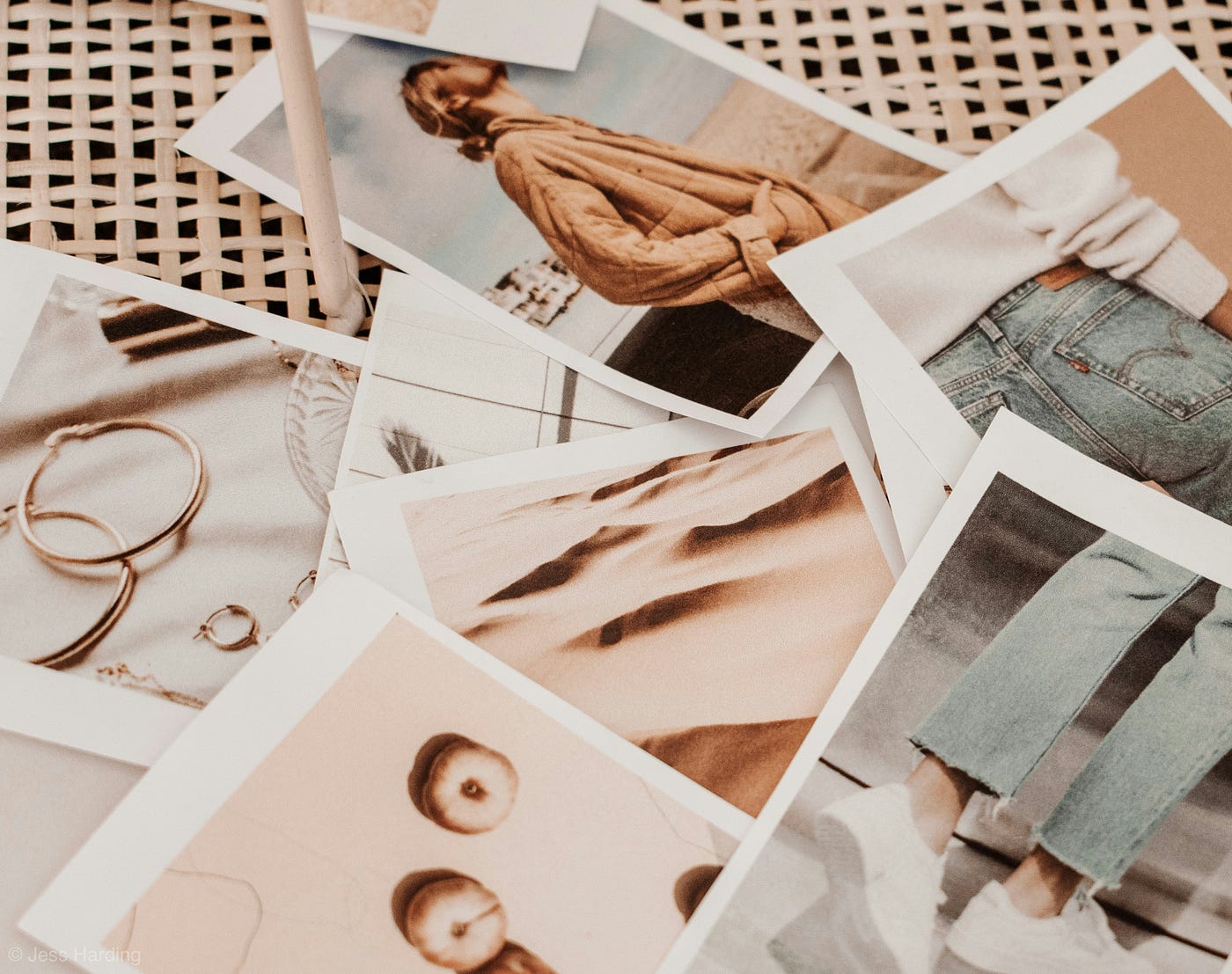
At its core, fashion is a form of communication. Clothing sends messages about personality, values, creativity, and confidence.
Resources such as an Australia living guide often highlight how lifestyle, environment, and personal preferences influence daily choices, including fashion. Personal style allows individuals to express these influences while maintaining authenticity.
Fashion becomes more powerful when it reflects who someone truly is rather than what happens to be popular at a particular moment.
Conclusion
Personal style often matters more than following trends because it provides authenticity, confidence, consistency, and meaningful self expression. While trends can offer inspiration and introduce new ideas, they are temporary by nature. Personal style, on the other hand, reflects individuality and evolves naturally over time. By focusing on clothing choices that align with personality, lifestyle, and personal values, individuals can create wardrobes that feel genuine and lasting. Fashion is most effective when it supports self expression rather than conformity. Ultimately, personal style allows people to stand out not because they follow trends, but because they confidently express who they are.