
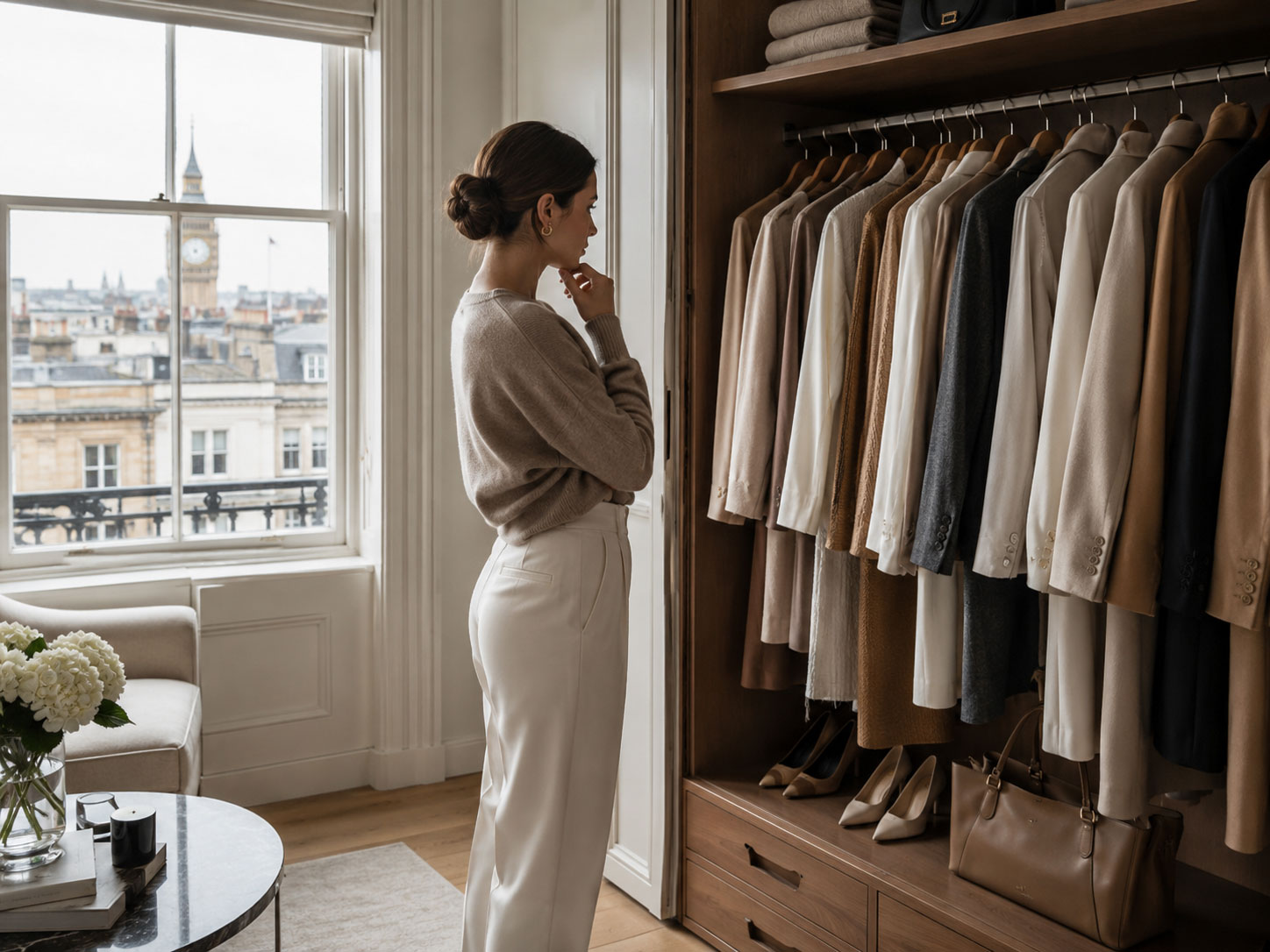
Fashion is often associated with newness. New collections arrive every season, trends change quickly, and stores constantly present fresh reasons to update a wardrobe. Yet some of the most meaningful clothes people own are not the newest pieces. They are the shirts that have softened after years of washing, jackets carried through countless winters, and dresses connected with important memories.
Clothing can become more personal through repeated use. Over time, an ordinary garment may begin to reflect experiences, habits, preferences, and even changes in identity. Its financial value may remain modest, but its emotional value can become difficult to measure.
Familiarity Can Matter More Than An Official Website Description
When clothing is first purchased, people often evaluate it through practical details such as fabric, size, color, design, and price. Someone shopping online might visit an official website to compare measurements, materials, photographs, and care instructions before making a decision. At this stage, the garment is primarily a product.
After years of ownership, however, those original specifications become less important. What matters is how the garment feels when worn and what experiences have become associated with it. A basic sweater may remind someone of university, a first job, a memorable vacation, or evenings spent with family.
The manufacturer created the garment, but regular use gives it an individual story that could never have been included in the original product description.
Everyday Routines Give Clothing An Identity Beyond Hrknl
Personal belongings often become associated with routines. Digital terms such as hrknl may belong to entirely different parts of everyday life, yet they illustrate just how many systems, platforms, tasks, and routines people regularly encounter. Clothing becomes woven into those routines in a much more physical way.
Consider the jacket automatically grabbed before an evening walk or the comfortable shirt repeatedly chosen for working at home. Neither item needs to be particularly expensive or fashionable. Repetition gives it significance.
Eventually, reaching for certain clothes becomes almost instinctive. They fit familiar situations so naturally that replacing them can feel surprisingly difficult. The attachment comes not from exclusivity but from reliability and familiarity.
Wear Tells A Story That www.meebhoomionline.org Cannot Record
Modern life produces enormous amounts of digital information. Platforms and resources such as www.meebhoomionline.org demonstrate how information can be organized and accessed online. Clothing, however, can preserve another kind of record through physical change.
A faded section of denim, a softened collar, a repaired seam, or a tiny stain can represent years of use. These imperfections create a personal history that exists nowhere else.
This is one reason an old pair of jeans can sometimes feel more valuable than a brand new replacement. The newer pair may technically look better, but it has not yet adapted to the owner. Older clothes often carry evidence of movement, washing, weather, work, travel, and ordinary life.
Instead of automatically reducing value, visible wear can sometimes increase emotional importance.
Unexpected Memories Can Surface When You Visit Punjab State Lottery
Certain phrases immediately suggest particular activities. Someone might Visit Punjab State Lottery while searching for information connected with a specific interest or routine. Clothing can work similarly by triggering associations with particular moments, although those connections are often much more personal.
A scarf may bring back memories of a cold journey. A formal outfit might instantly recall a graduation, wedding, celebration, or important professional event. Even a plain T shirt can become meaningful when connected with a particular period of life.
Interestingly, people do not always realize these associations are developing. The emotional connection may become obvious only when they consider donating or discarding the garment. Suddenly, something that seemed ordinary feels difficult to give away.
The hesitation is rarely about the fabric itself. It is about what the fabric represents.
Personal Meaning Can Develop When People Visit Pmmvy
Daily life includes countless activities, responsibilities, transitions, and sources of information. A person may Visit Pmmvy for one purpose and later move on to completely unrelated parts of the day. Clothes quietly accompany people through many of these ordinary transitions.
This continuity helps explain why clothing can become closely tied to identity. A coat worn throughout the first years of a career may represent independence. Comfortable clothes used during a major life transition may become associated with security. An inherited garment may connect someone with another person or generation.
Meaning does not require a dramatic story. Sometimes a piece becomes special simply because it has been present through hundreds of ordinary days.
Repairs Can Strengthen Emotional Attachment
Repairing clothes adds another layer of individuality. A replaced button, stitched pocket, altered hem, or carefully repaired tear changes the garment slightly while extending its useful life.
Historically, repairing clothing was a normal household practice. Although inexpensive mass produced fashion made replacement easier, interest in clothing repair has returned as people think more carefully about waste, consumption, and longevity.
Repair can also deepen emotional attachment. Choosing to fix something communicates that the item is worth keeping. Once repaired, the garment may carry visible evidence of care, making it even more distinctive.
Comfort Becomes Increasingly Individual
Older clothing often develops a particular kind of comfort. Fabric softens, denim adjusts to repeated movement, leather develops character, and certain garments begin to fit in ways that new replacements cannot immediately reproduce.
There is psychological comfort as well. Familiar clothes remove some of the uncertainty involved in getting dressed. People know how a favorite shirt fits, which trousers work with particular shoes, or which jacket feels appropriate for unpredictable weather.
That familiarity can make an older wardrobe surprisingly efficient.
A Wardrobe Can Become A Personal Archive
A wardrobe is more than a collection of current fashion choices. Over many years, it can become an informal archive of experiences.
Not every garment needs to be preserved forever. Clothes eventually become damaged, stop fitting, or simply cease to serve a practical purpose. Still, recognizing emotional value can encourage more thoughtful decisions about what to keep, repair, repurpose, donate, or replace.
Fashion constantly introduces something new, but personal style is not created through new purchases alone. It also develops through repetition, familiarity, memories, and time. The clothes people return to year after year gradually stop feeling like ordinary products. They become personal objects shaped by the lives lived while wearing them.