
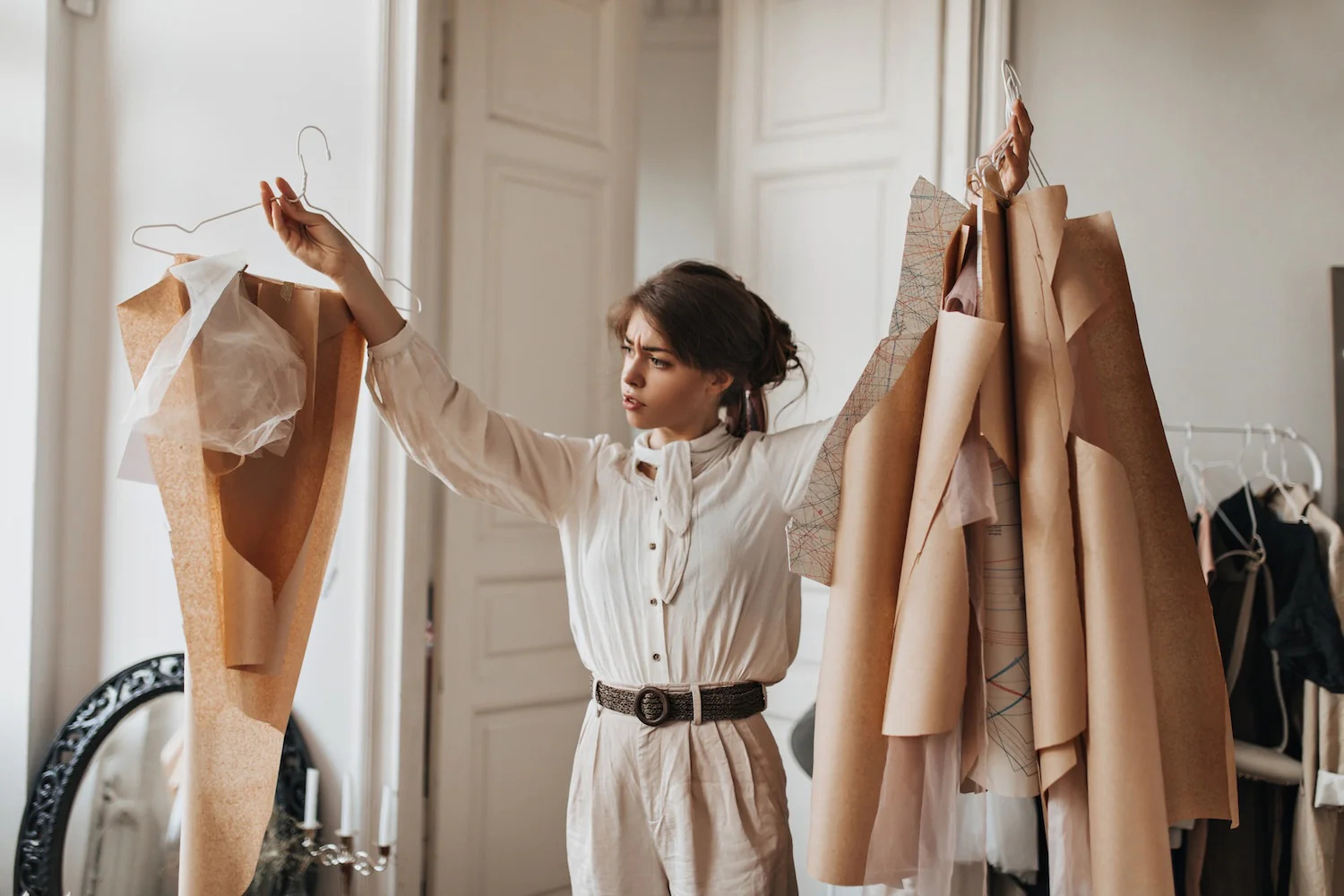
First impressions are formed quickly, often within just a few seconds of meeting someone. While communication skills, body language, and confidence all contribute to how people are perceived, fashion choices also play a significant role. Clothing serves as a visual introduction, offering clues about personality, professionalism, lifestyle, and attention to detail before a single word is spoken.
Fashion is more than simply following trends. It is a form of self expression that can influence how others perceive an individual in social, professional, and personal situations. Understanding the connection between fashion and first impressions can help people make more intentional choices about how they present themselves.
The Psychology Behind First Impressions
Human beings naturally make quick judgments based on visual information. This process helps people assess situations and form initial opinions rapidly.
Clothing is often one of the first things noticed during an interaction. Factors such as fit, color, style, cleanliness, and overall presentation contribute to these early perceptions. While first impressions may not reveal a person’s true character, they can shape expectations and influence future interactions.
Fashion provides visual cues that help others form assumptions about confidence, professionalism, creativity, and personal values.
Clothing Communicates Without Words
Fashion functions as a nonverbal communication tool. The clothes people wear often send messages about their interests, preferences, and priorities.
Professional attire may communicate competence and reliability, while creative styles can suggest individuality and innovation. Casual clothing can create a relaxed and approachable impression, depending on the context.
The ability to communicate through appearance is one reason fashion remains such a powerful influence in both personal and professional environments.
Confidence And Presentation Work Together
One of the most important ways fashion influences first impressions is through confidence. When individuals feel comfortable and confident in what they are wearing, that confidence often becomes visible through posture, eye contact, and communication.
People who feel good about their appearance are often more willing to engage with others and express themselves effectively. As a result, fashion can indirectly affect social interactions by influencing self perception.
Confidence is frequently identified as a valuable characteristic in professional and personal relationships, and clothing choices can help reinforce it.
Professional Settings And Personal Branding
In business environments, appearance often contributes to personal branding. Employers, clients, and colleagues may form opinions based on how individuals present themselves during meetings, interviews, and networking events.
Many discussions within business news Australia highlight the importance of professionalism, communication, and leadership in workplace success. Personal presentation is often part of that broader professional image.
While skills and experience remain the most important factors, appearance can help create a positive initial impression that supports future interactions.
Fashion Reflects Attention To Detail
Well chosen clothing can demonstrate attention to detail and personal organization. Clean, properly fitted, and appropriate attire often signals that an individual takes pride in their presentation.
Attention to detail is valued across many industries because it can reflect professionalism and reliability. Just as businesses implement company growth solutions through careful planning and execution, individuals often benefit from thoughtful decisions regarding their appearance.
Small details can significantly influence how others perceive overall competence and preparedness.
Adapting Fashion To Different Situations
Effective fashion choices consider context. What works well in one environment may not be appropriate in another.
Professional events, social gatherings, formal occasions, and casual settings each have different expectations. Understanding these expectations helps individuals make clothing choices that align with the situation while still expressing their personal style.
Adaptability demonstrates social awareness and can contribute positively to first impressions across a variety of environments.
The Influence Of Modern Trends
Fashion trends continue to evolve alongside cultural and technological changes. Social media, digital content, and global connectivity expose consumers to a wider variety of styles and influences than ever before.
The impact of digital trends Australia can be seen in the growing popularity of online fashion communities, influencer marketing, and digital shopping experiences. These trends encourage individuals to experiment with personal style and discover new ways to express themselves.
While trends can provide inspiration, personal authenticity often remains more influential than simply following popular styles.

Personal Style Creates Memorability
People are often remembered for distinctive qualities that set them apart. Fashion can contribute to this memorability by helping individuals create a recognizable personal style.
A consistent sense of style can strengthen personal branding and make a lasting impression. Whether through color preferences, signature accessories, or a unique approach to dressing, personal style helps communicate individuality.
Rather than trying to imitate others, many individuals find greater success by developing a look that reflects their own personality and values.
Fashion And Consumer Perceptions
The relationship between fashion and perception extends beyond individual interactions. Businesses, brands, and public figures often invest considerable effort into visual presentation because appearance influences credibility and trust.
Market analysts frequently examine consumer preferences and behavior through reports and Australian market insights, recognizing that presentation often affects purchasing decisions and brand perception.
The same principle applies to individuals. Presentation can influence how others evaluate professionalism, reliability, and approachability during initial interactions.
The Role Of Appearance In Competitive Environments
In competitive environments such as job interviews, networking events, and business meetings, first impressions can carry additional significance. While qualifications and experience remain essential, appearance often contributes to the overall impression that an individual creates.
Professionals seeking visibility and recognition within systems such as business ranking Australia understand the importance of presenting themselves effectively. A polished appearance can complement expertise and help establish credibility from the outset.
When combined with strong communication and professional skills, appropriate fashion choices can support positive outcomes.
Conclusion
Fashion choices influence first impressions because they communicate information before words are exchanged. Clothing can reflect confidence, professionalism, attention to detail, and personal identity, shaping how others perceive an individual during initial encounters. While appearance should never be the sole basis for evaluating a person, it remains an important part of nonverbal communication. Thoughtful fashion choices help individuals present themselves authentically while creating positive and memorable first impressions. By understanding the role of fashion in perception, people can use personal style as a tool for self expression, confidence, and effective communication in both personal and professional settings.